


Nullam dignissim, ante scelerisque the is euismod fermentum odio sem semper the is erat, a feugiat leo urna eget eros. Duis Aenean a imperdiet risus.

Request a Meeting

Network &
Endpoint Security

img

Stopping Real-World Attacks
from Edge to Endpoint

IT teams battle ransomware, phishing-driven DNS attacks, SQL injection, bot abuse, lateral movement, and hidden command-and-control traffic—often unfolding as one incident.

AI-driven network and endpoint security detects these threats early across edge, applications, DNS, and endpoints, correlates signals into clear incidents, and helps teams contain attacks fast without operational overload.

AI-Driven Edge Protection and Traffic Control

Edge networks face constant scans, malware attempts, and unauthorized outbound connections. Our AI-assisted NGFW inspects ingress and egress traffic at Layers 3–7, prioritizes real threats, reduces false positives, and gives IT teams fast control to block, investigate, and contain edge-based incidents.

img

Preventing Application-Layer Attacks at the Edge

Public-facing applications are frequent targets for SQL injections, bots, and API abuse. The AI-enabled WAF learns normal application behavior, detects anomalous requests, and blocks OWASP Top 10 threats before they impact availability or user experience.


img

Self-Optimizing Secure Connectivity for Branch Operations

Branch incidents often start with unstable links and slow application performance. Secure SD-WAN uses AI-based traffic analysis to predict congestion, automatically steer traffic, and maintain encrypted connectivity—reducing outages and troubleshooting time.

img

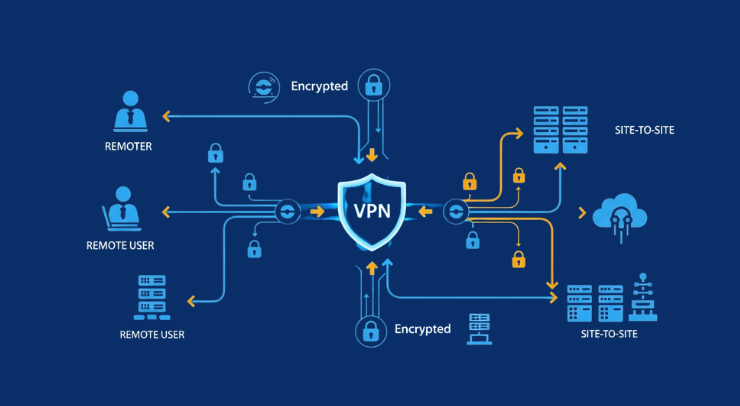
Monitored and Encrypted Remote Access

Remote access incidents frequently involve abnormal logins, misconfigurations, or overloaded gateways. AI-assisted VPN monitoring detects unusual access patterns and performance issues, helping IT teams secure connectivity while minimizing user disruption.

img

Exposing Hidden Network Threats Through Behavior Analysis

Not all breaches trigger firewall alerts. AI-powered NDR continuously analyzes network behavior to detect lateral movement, compromised hosts, and command-and-control traffic—surfacing incidents that would otherwise remain hidden.

AI-Powered DNS Security Against Malicious Traffic

IT teams often face incidents caused by phishing, malware domains, or unauthorized data exfiltration. AI-driven DNS security analyzes DNS queries in real time, blocks access to malicious domains, detects anomalous patterns, and reduces the load on firewalls—helping teams prevent attacks before they reach the network or endpoints.

img

Fixing What Attackers Are Most Likely to Exploit

IT teams are overwhelmed by long vulnerability lists and limited remediation windows. AI-driven vulnerability management prioritizes findings based on exploitability, asset exposure, and threat intelligence—helping teams focus on what truly reduces risk.

img

Comprehensive Endpoint Security Across Devices

Endpoints are the most frequent entry points for malware, ransomware, and unauthorized access. Our AI-assisted endpoint security continuously monitors device behavior, system changes, and application activity, helping IT teams detect threats early, contain compromised devices, and maintain operational continuity across desktops, laptops, and servers.

Stopping Endpoint Attacks Before They Spread

Endpoint incidents escalate quickly if not contained. AI-based EDR monitors process behavior, memory activity, and user actions to detect ransomware and fileless attacks early, enabling rapid isolation and investigation.

Turning Disconnected Alerts into Clear Incidents

Security incidents often appear as fragmented alerts across tools. AI-powered XDR correlates signals from endpoints, networks, and servers into a single incident view—reducing alert fatigue and accelerating response.cc

24/7 Incident Detection and Response Without Overloading Teams

Many IT teams lack the capacity for continuous monitoring and response. MDR combines AI-driven detection with expert analysts to validate threats, respond to incidents, and reduce operational burden around the clock.