
Nullam dignissim, ante scelerisque the is euismod fermentum odio sem semper the is erat, a feugiat leo urna eget eros. Duis Aenean a imperdiet risus.

Request a Meeting

Zero Trust
& Identity

img

Zero Trust & Identity
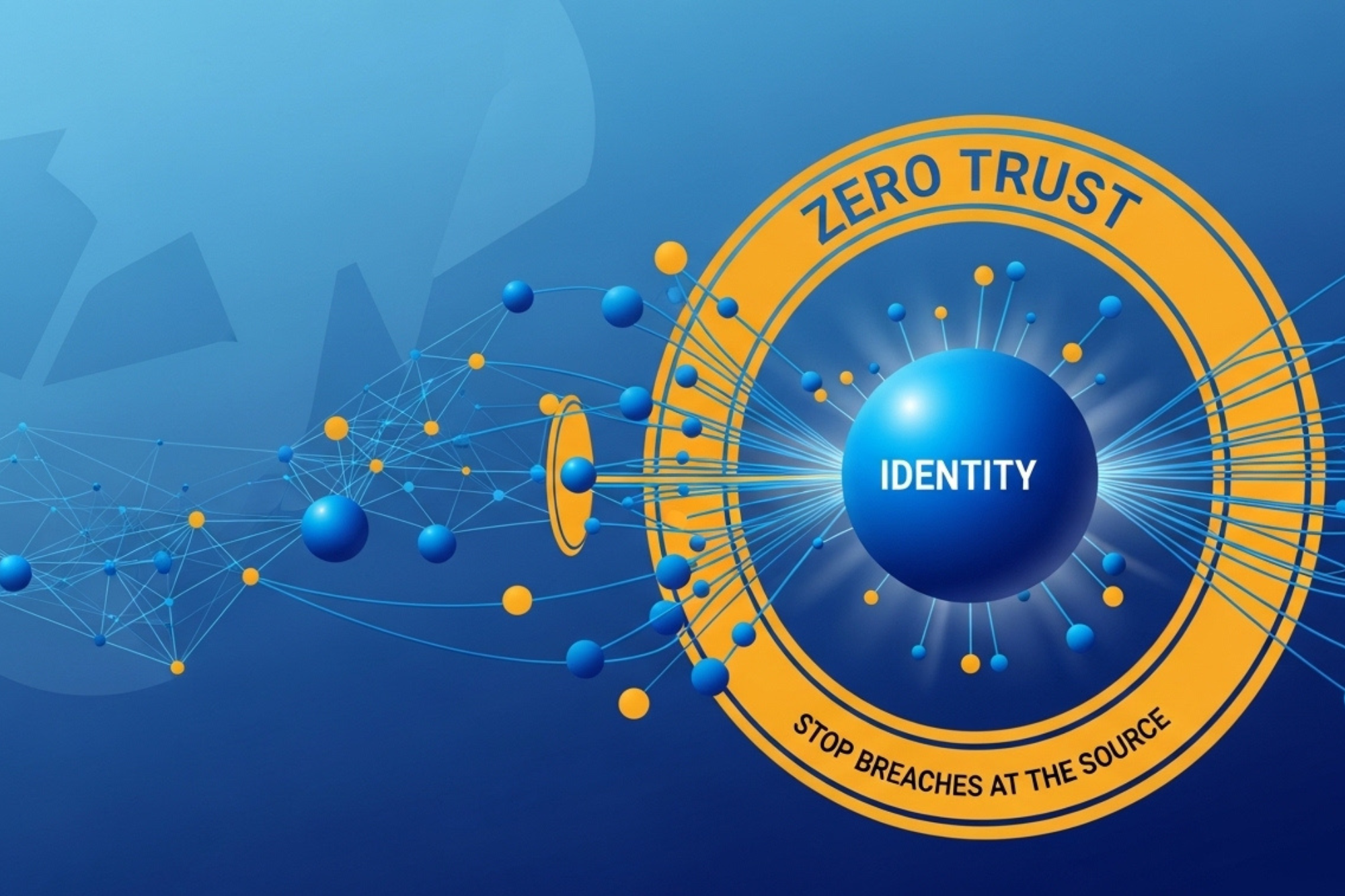
Stop Breaches at the Source

Modern attacks exploit stolen credentials, over-privileged accounts, and lateral movement across networks. Zero Trust continuously verifies every user, device, and application, enforces strict access controls, and contains threats before they spread. IT teams gain full visibility, operational control, and a proactive way to reduce risk across the organization.

Secure Access Without Traditional VPN Risks

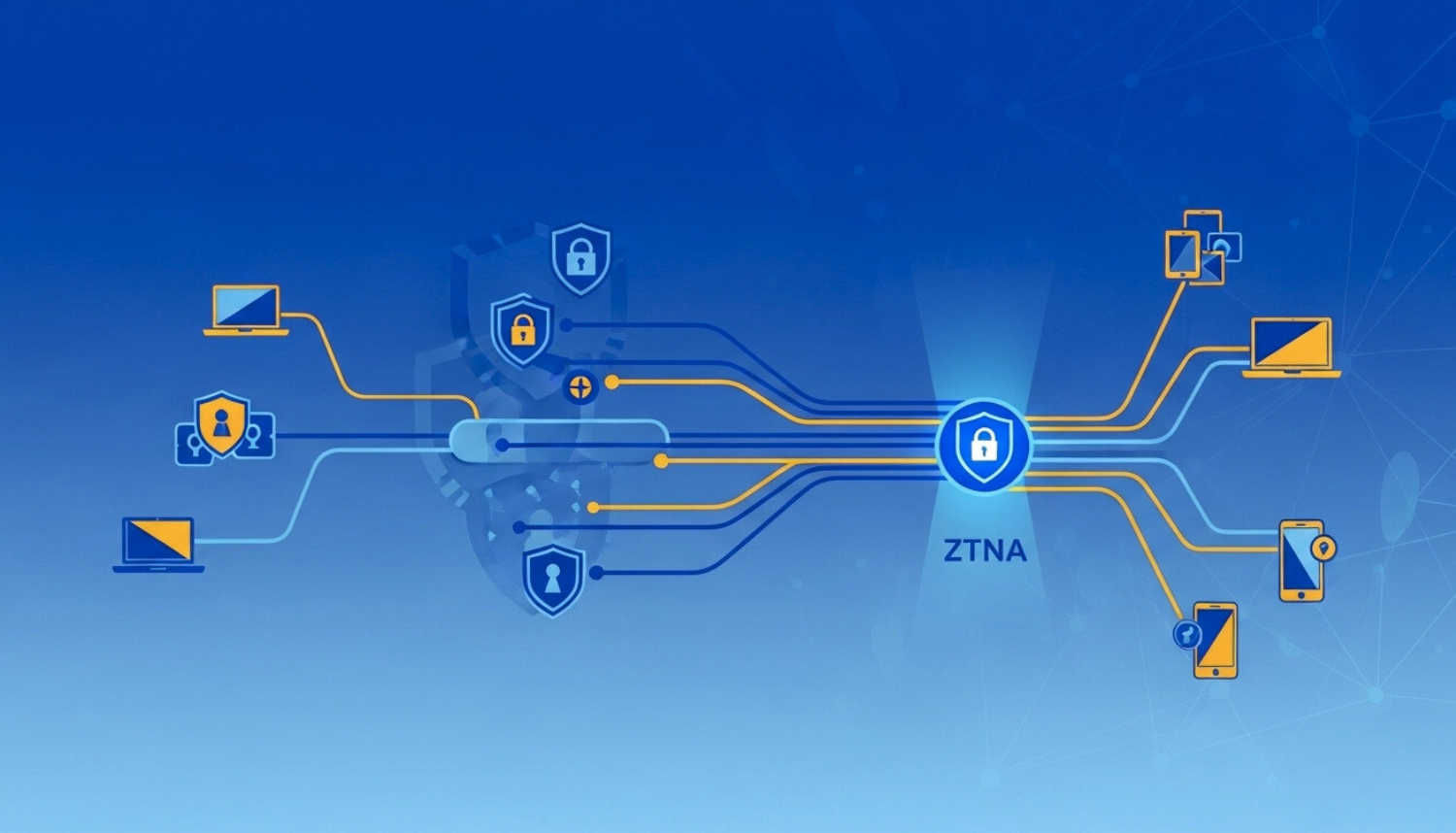
Remote and third-party users are common breach sources. ZTNA ensures every connection is authenticated, authorized, and continuously verified. Teams prevent lateral movement, control access at the application level, and reduce the operational impact of compromised credentials.

img

Eliminating Password-Based Weak Points

Passwords remain a major vulnerability. Passwordless MFA replaces them with cryptographic keys or biometrics, reducing account compromise incidents. IT teams can enforce strong identity validation while simplifying login workflows across devices


img

Centralized Identity Management

Excessive or outdated access creates operational and security risks. IAM provides visibility, policy enforcement, and lifecycle management for all identities. Teams maintain least-privilege access, quickly revoke credentials, and reduce incidents caused by improper access.

Protecting Privileged Accounts

Privileged accounts are high-value targets for attackers. PAM monitors, controls, and audits privileged sessions, reducing credential abuse and lateral movement. Teams gain a clear audit trail and can enforce just-in-time access to limit operational risk.

img

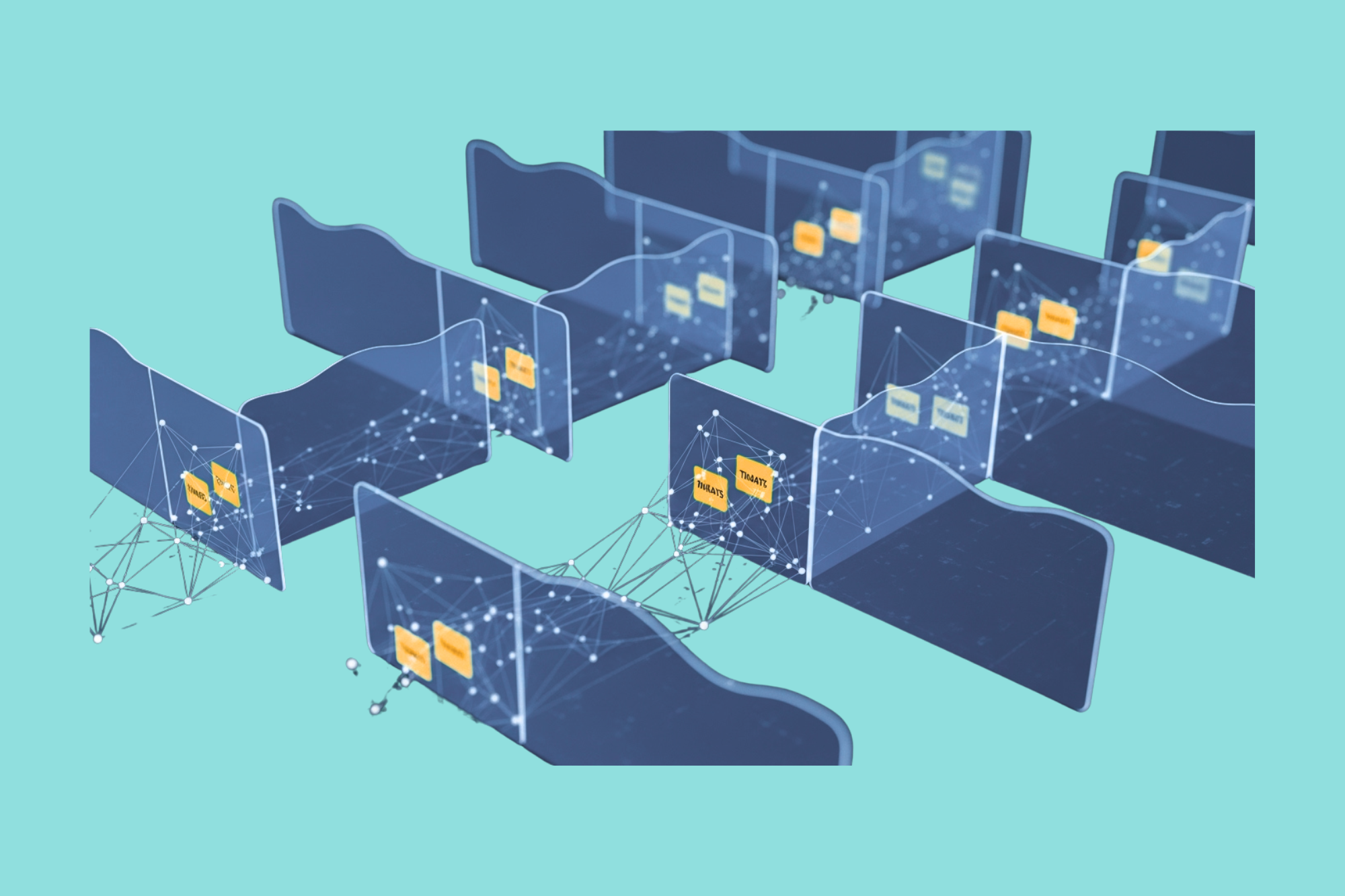
Segmenting Networks to Contain Threats

Lateral movement drives ransomware and breach escalation. Segmentation isolates critical systems and applications, limiting blast radius. IT teams can contain incidents quickly, reduce operational impact, and enforce granular access policies across the network.

img

Endpoint and Application Access Analytics

Abnormal logins, risky behavior, and privilege escalation are often missed. Identity analytics detects anomalies and flags suspicious activity. Teams can respond to compromised accounts or insider threats before they turn into critical incidents.

Continuous Authentication and Context-Aware Access

Static policies fail when devices, locations, or session conditions change. Adaptive access evaluates context in real time, adjusting access as needed. IT teams reduce operational risk, prevent unauthorized activity, and maintain secure user experiences.

Secure Service-to-Service and API Access

Service accounts and APIs are increasingly targeted. These tools manage credentials, enforce least privilege, and monitor API activity. Teams prevent abuse across cloud and hybrid environments while keeping applications running smoothly.

Privileged Session Recording and Just-in-Time Access

Just-in-time access grants temporary privileges only when needed. Session recording captures privileged activity for audits, helping teams detect misuse, reduce dwell time, and strengthen operational security without slowing workflows.